
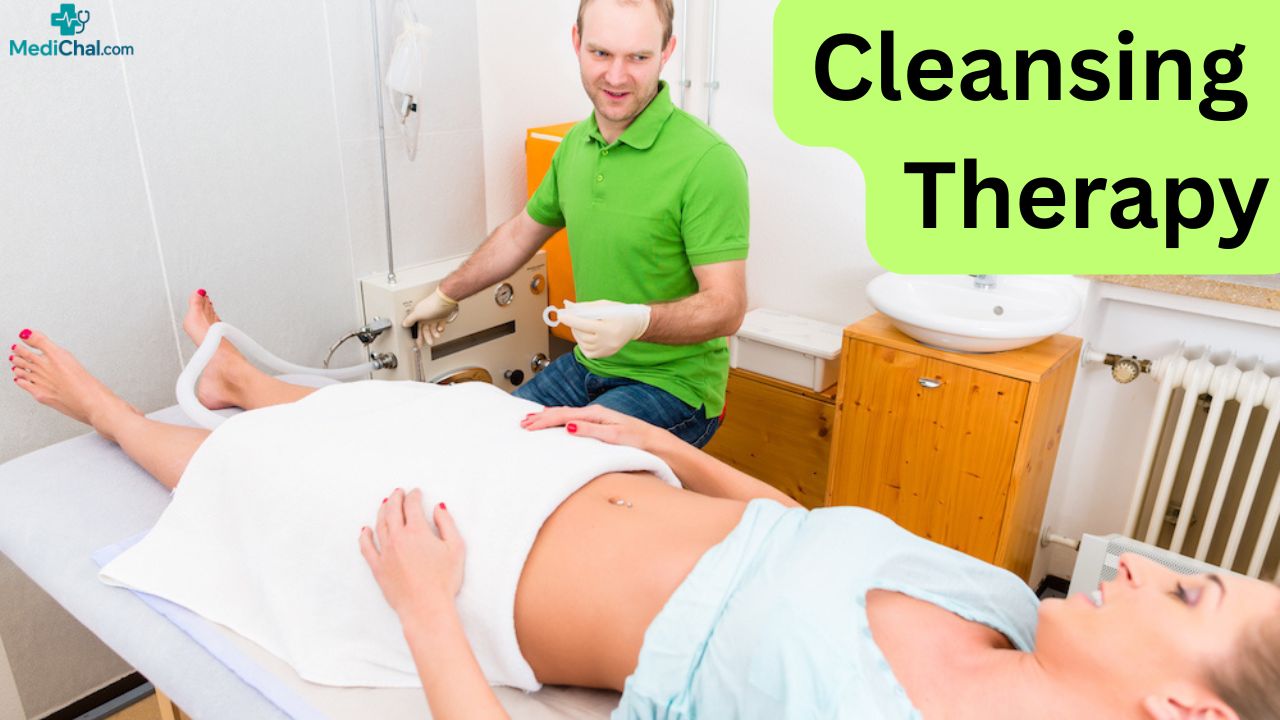
Modern life exposes us to unhealthy food, stress, and pollutants. Over time, this can affect digestion, skin, and energy. Many people turn to cleansing therapy-also called detox therapy to reset their body. But does it really work? And is it safe?
This 2025 guide explores the evidence, benefits, and risks of cleansing therapy, along with safe detox methods you can actually trust.
What Is Cleansing Therapy?
Cleansing therapy refers to natural or alternative methods aimed at removing “toxins” from the body. Popular approaches include:
- Juice cleanses – nutrient-rich liquids to replace meals
- Intermittent fasting detox – short-term calorie restriction to promote cellular repair
- Colon cleansing – enemas or hydrotherapy for bowel clearance
- Herbal detox supplements – liver and kidney support using herbs like moringa, turmeric, aloe vera
- Diet-based detox – reducing processed foods, adding fibre, fruits, and vegetables
- Sauna & hydrotherapy – sweating or steam baths to promote detoxification
Benefits of Cleansing Therapy (Backed by Science)
- Boosts Energy – Switching to whole foods and hydration reduces fatigue.
- Improves Digestion – High-fibre cleansing diets help with bloating and bowel health.
- Supports Cellular Cleansing – Intermittent fasting may trigger autophagy, a process of cell repair.
- Promotes Skin Health – Removing junk food and adding antioxidants can make skin clearer.
- Encourages Healthy Habits – Cleansing can be a “reset button” to build better lifestyle routines.
Risks and Limitations of Cleansing Therapy
- Nutrient Deficiency if cleansing is prolonged
- Electrolyte Imbalance from excessive fasting or colon cleanses
- Kidney & Liver Stress with unregulated supplements
- Bowel Injury in rare cases of aggressive colon cleansing
- Temporary Weight Loss Only – most of it is water weight
Note: Always consult a doctor before starting any detox, especially if you have chronic conditions.
Safe Practices for Body Detox
- Drink 8–10 glasses of water daily
- Choose diet-based detox (fruits, vegetables, herbal teas, whole grains)
- Try short-term intermittent fasting under guidance
- Avoid extreme cleanses lasting more than 3 days without supervision
- Steer clear of unregulated detox supplements
Who Should Avoid Cleansing Therapy?
- Pregnant or breastfeeding women
- People with kidney, heart, or liver diseases
- Children and teens
- Those with eating disorders
- Anyone on regular medication
FAQs on Cleansing Therapy
Q1. Is cleansing therapy necessary if we already have liver and kidneys?
Not really. The liver and kidneys are natural detox systems. Cleansing therapy can only support them through better diet, hydration, and rest.
Q2. Can cleansing therapy help with weight loss?
Yes, but only short-term. True, lasting weight loss requires long-term diet and exercise.
Q3. Is colon cleansing safe?
Routine colon cleanses are not recommended unless medically required. Risks outweigh benefits for most people.
Q4. What is the safest way to detox?
The safest detox method is eating whole, unprocessed foods, drinking water, and practising intermittent fasting if suitable.
Q5. Can detox therapy boost immunity?
There is no direct proof. But eating antioxidants (fruits, greens, turmeric, moringa) and reducing junk food naturally supports immunity.
Q6. How often should I do a detox?
Experts recommend focusing on daily healthy living rather than frequent extreme cleanses. Occasional short detoxes are fine.
Conclusion
Cleansing therapy can be useful as a short-term reset, but it’s not a miracle cure. The best way to detox is by supporting your body’s own natural cleansing system-the liver, kidneys, lungs, and skin—through hydration, clean eating, exercise, and rest.
Remember: a healthy lifestyle is the best detox of all.